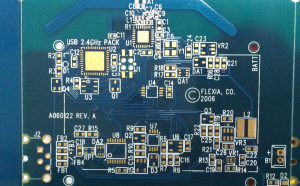
In today’s fast-paced electronics industry, the performance and reliability of a product often depend on the quality of its printed circuit boards. From consumer devices and automotive systems to medical equipment and industrial machinery, PCBs form the backbone of modern technology. Choosing the right supplier is therefore a strategic decision, not just a procurement task. A dependable partner can help ensure product consistency, meet deadlines, and support innovation, while a poor choice can lead to delays, quality issues, and increased costs. Understanding what to look for in a reliable PCB supplier can help businesses make informed decisions and build long-term success.
Proven Experience and Industry Expertise
One of the first indicators of a trustworthy supplier is experience. Companies with years of involvement in PCB manufacturing tend to have refined processes, knowledgeable staff, and a better understanding of diverse application requirements. Experience also means exposure to a wide range of industries, standards, and challenges. An established Printed Circuit Board Supplier is more likely to anticipate potential problems and provide solutions before they escalate.
Beyond years in operation, it is important to evaluate the supplier’s technical expertise. Do they understand advanced materials, high-frequency designs, or complex multilayer boards? Are they familiar with industry-specific requirements such as automotive reliability standards or medical compliance guidelines? Suppliers with strong technical foundations are better equipped to deliver consistent quality and offer valuable design-for-manufacturability (DFM) feedback.
Quality Standards and Certifications
Quality should never be compromised when selecting a PCB supplier. Reliable manufacturers adhere to recognized international standards and maintain certifications that validate their processes. Common certifications include ISO 9001 for quality management, ISO 14001 for environmental responsibility, and industry-specific standards such as IPC certifications.
A supplier committed to quality will implement strict inspection and testing protocols at every stage of production. These may include automated optical inspection (AOI), electrical testing, and reliability testing under various environmental conditions. Transparent quality assurance practices indicate that the supplier takes accountability seriously and strives for continuous improvement.
Manufacturing Capabilities and Technology
Not all PCB suppliers offer the same manufacturing capabilities. Some specialize in simple single-layer boards, while others can produce complex multilayer, rigid-flex, or high-density interconnect (HDI) designs. Before committing to a supplier, it is essential to ensure that their equipment, processes, and expertise align with your current and future needs.
Modern manufacturing technology is another key consideration. Advanced machinery, automation, and process control systems help improve accuracy, reduce defects, and shorten production cycles. Suppliers that invest in up-to-date technology demonstrate a commitment to efficiency and long-term competitiveness.
Supply Chain Transparency and Reliability
Supply chain reliability has become a critical factor in recent years. A dependable PCB supplier should have a stable sourcing network for raw materials and components, minimizing the risk of shortages or delays. Transparency in the supply chain allows customers to better plan production schedules and manage risks.
Clear communication about lead times, inventory availability, and potential disruptions is essential. Suppliers who proactively share information and offer realistic timelines are more trustworthy than those who overpromise and underdeliver. Reliability in delivery can be just as important as the quality of the product itself.
For companies evaluating suppliers and industry resources, reviewing publicly available information such as https://www.pcb-togo.com/ can help provide insight into manufacturing capabilities, service scope, and overall professionalism.
Customer Support and Communication
Strong customer support is often what separates an average supplier from an exceptional one. Responsive communication, dedicated account managers, and technical support teams all contribute to a smoother working relationship. When issues arise, a reliable supplier addresses them promptly and collaboratively rather than shifting responsibility.
Effective communication also extends to documentation and reporting. Clear quotations, detailed specifications, and regular progress updates help avoid misunderstandings and ensure alignment throughout the project lifecycle. A supplier who values transparency builds trust and long-term partnerships.
Flexibility and Scalability
Business needs change over time, and a good PCB supplier should be able to grow alongside its customers. Flexibility in order quantities, customization options, and production scheduling can be invaluable, especially for companies moving from prototyping to mass production.
Scalability is equally important. A supplier capable of handling both low-volume prototypes and high-volume production runs can support product development from concept to commercialization. This continuity reduces the need to switch suppliers and minimizes the risk of inconsistencies.
Environmental and Ethical Responsibility
Sustainability and ethical practices are increasingly important considerations in supplier selection. Responsible PCB manufacturers implement environmentally friendly processes, such as waste reduction, energy efficiency, and safe chemical handling. Compliance with environmental regulations demonstrates a commitment to corporate responsibility.
Ethical labor practices and fair working conditions are also indicators of a reputable supplier. Companies that prioritize social responsibility tend to have more stable operations and motivated workforces, which ultimately benefits customers as well.
Cost Transparency and Long-Term Value
While cost is always a factor, the lowest price does not necessarily offer the best value. A reliable PCB supplier provides transparent pricing that reflects quality, service, and reliability. Hidden fees, unclear quotations, or frequent price changes can be warning signs.
Value should be assessed holistically, considering factors such as defect rates, delivery performance, technical support, and partnership potential. Paying slightly more for a dependable supplier can often reduce total costs by minimizing rework, delays, and product failures.
Conclusion
Selecting a reliable PCB supplier is a decision that impacts product quality, timelines, and long-term business success. By focusing on experience, quality assurance, communication, scalability, and ethical responsibility, companies can reduce risk and build stronger supply chains. For those seeking More Information, exploring dedicated resources such as can offer additional guidance on evaluating suppliers and understanding industry best practices.